
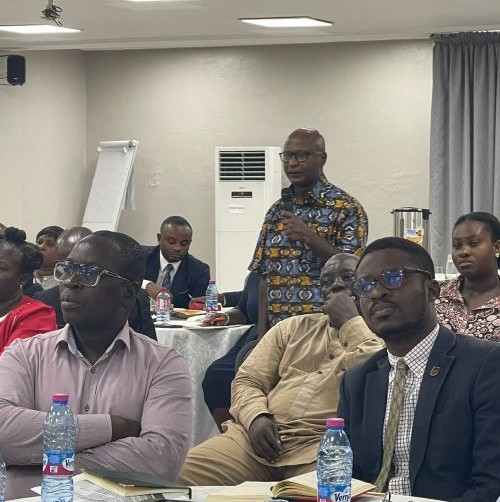
KNUST INTERNAL AUDIT DEPARTMENT HOLDS TRAINING ON VAT REFORMS ACT 1151 FOR STAFF
As part of the Internal Audit’s quest of upgrading the knowledge of its staff and bringing them up to date on issues that affects the execution of their work, the Department on 19th February, 2026 organized a training workshop for all staffs, at the Master Card Impact Building at Knust. The training was on the New Vat Reforms, Act 1151.
The training aimed at enlightening staff on the new Act 1151, so that its implementation wouldn’t be a challenge for them.
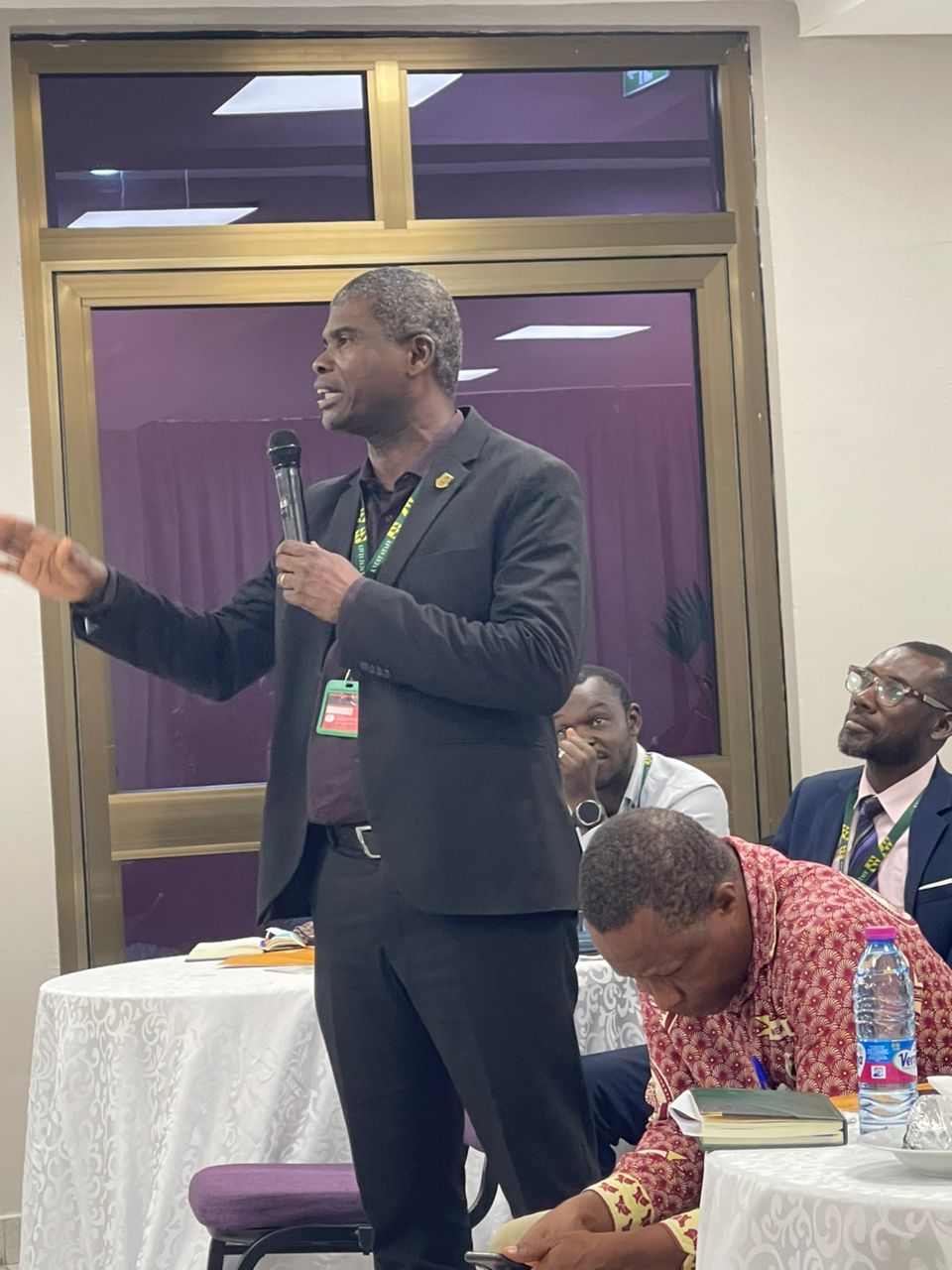
The Training started with the Internal Auditor Mr. Moses Tsiquaye welcoming all staffs to the training. He urged members to always try to be abreast with issues that affects their work as Internal Auditors. He therefore pleaded with all participants to take the training serious so that it can have a positive impact on the work they do.
He took the opportunity to refresh the minds of staffs on the format of report writing. He urged them to adhere to the internationally accepted format of report writing for it to have the necessary impact for the university.
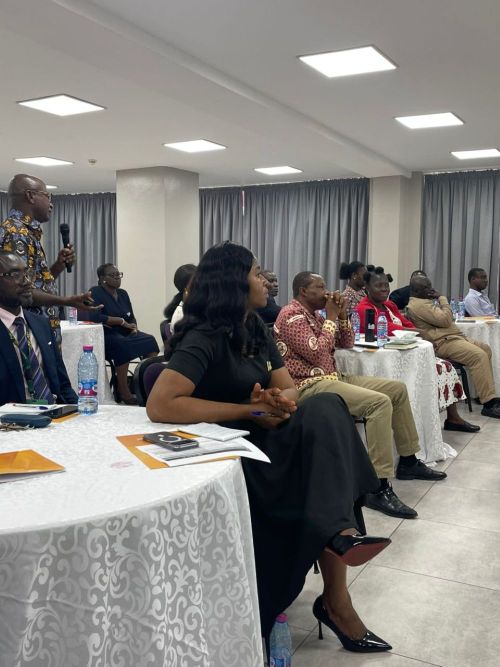
The resource person Mr. John Acheampong, who spoke on the new Vat Reforms (Act 1151), said effective January 1, 2026 the new Act, Value Added Tax Act, 1151, which established a rate of 20% (15% VAT + 2.5% NHIL + 2.5% GETFund) abolishes the VAT Flat Rate Scheme (VFRS) and the 1% COVID-19 Health Recovery Levy.
On threshold for suppliers of goods, he said the new act increased the registration threshold to GH¢750,000 annual turnover and allowed businesses to reclaim NHIL/GETFund as input tax.
On Digital Compliance, Mr. Acheampong said the new Act mandates full compliance with Electronic (E-VAT) system for invoicing.
He also talked about the Upfront payments, where importers of taxable goods with a value exceeding GH¢750,000, who are not registered for VAT are required to make an upfront payment of 20% of the customs value, which can be recovered upon registration.
He then took the staff through the calculation format of the new act. After which members asked pertinent questions on certain arears, they needed clarification.
Mr. Nathaniel Amoah also took his turn to enlighten members on some aspects of the new act.
Members at the end were very much appreciative of the knowledge acquired at the training as it has opened their understanding on the new act and how it’s implementation should be.
The Internal Auditor thanked the facilitator for honouring our invitation and imparting his knowledge on us. He thanked all staffs who made it to the training and hoped staff will use the knowledge acquired to improve their work. He singled out Mrs. Mary Agaliga, the Chief Cashier of Knust for being a special guest to the training.